
Views: 0 Author: Site Editor Publish Time: 2026-02-19 Origin: Site


When it comes to drilling through tough materials, choosing the right drill bit can significantly affect the efficiency, precision, and outcome of your project. Two commonly used types of drill bits in construction, renovation, and industrial tasks are diamond drill bits and carbide bits. Both are designed to tackle hard materials, but their performance, durability, and applications vary greatly.
Drilling through materials like concrete, stone, tile, and metal requires high-quality drill bits that can handle the demands of tough surfaces. Diamond drill bits and carbide bits are two of the most popular options for these types of applications, but they serve different purposes and work best in different scenarios.
This article will help you understand the fundamental differences between diamond drill bits and carbide bits, exploring their construction, material compatibility, cutting efficiency, and when to use each type.
Diamond drill bits are cutting tools that have industrial-grade diamonds attached to their cutting edges. Diamonds, being the hardest known material, provide these drill bits with an unparalleled ability to cut through hard and abrasive materials. These bits are typically made by bonding diamond particles to a metal base, either through electroplating or vacuum brazing. This creates a durable and highly effective tool for drilling in tough materials.
The diamond drill bit works by grinding away the material as it spins, with the diamond particles cutting into the surface. The hardness of diamonds ensures that the drill bit can maintain its sharpness for a long time, even when used on extremely hard materials.
Diamond drill bits are used for drilling through materials that are too tough for standard drill bits. Some of the most common applications include:
Concrete Drilling: For plumbing and electrical installations in construction projects.
Tile Drilling: Ideal for drilling holes in ceramic, porcelain, and glass tiles without cracking.
Stone and Marble Drilling: Perfect for cutting through granite, marble, and other natural stones in both structural and decorative applications.
Masonry Drilling: Ideal for brick, cinder block, and other masonry materials.
Carbide bits are cutting tools made from tungsten carbide, a metal that is known for its hardness and resistance to wear. Unlike diamond drill bits, which use diamonds for cutting, carbide bits use carbide as the main cutting material. Tungsten carbide is a composite material that combines tungsten and carbon, making it one of the hardest materials available, just behind diamonds.
Carbide bits come in two main forms: solid carbide and carbide-tipped. Solid carbide bits are made entirely from tungsten carbide, while carbide-tipped bits have a carbide insert at the cutting edge attached to a steel body. These bits can maintain their sharpness and cutting efficiency for a long time, even when used in high-speed applications.
Carbide bits are used for a wide range of materials, including softer materials and applications that require fast and efficient cutting. Some common uses for carbide bits include:
Woodworking: Perfect for cutting through wood, MDF, and plywood with precision.
Metalworking: Carbide bits are used for drilling through soft to medium metals, such as aluminum, copper, and brass.
Masonry: Carbide bits are used for drilling through softer masonry materials like brick and block.
Understanding the key differences between diamond drill bits and carbide bits will help you select the right tool for your drilling needs. Here’s a comparison based on several critical factors:
Feature | Diamond Drill Bits | Carbide Bits |
Material | Diamond-coated metal | Tungsten carbide or carbide-tipped steel |
Hardness | Diamonds (hardest material) | Tungsten carbide (second hardest material) |
Durability | Highly durable for abrasive materials | Durable but wears out faster than diamonds |
Cutting Efficiency | Superior for hard, abrasive materials | Efficient for softer materials, but less effective on very hard materials |
Applications | Concrete, marble, stone, glass, tile | Wood, metal, soft masonry, general-purpose drilling |
Cost | More expensive | More affordable, cost-effective for light-duty applications |
Speed | Slower cutting speed for harder materials | Faster cutting speed for softer materials |
Heat Resistance | Excellent heat resistance (especially with water) | Good heat resistance but may wear down faster under high temperatures |
Diamond Drill Bits: Diamonds are the hardest material known to man, and this gives diamond drill bits a significant edge when drilling through tough, abrasive surfaces such as concrete, granite, and marble. The hardness ensures long-lasting durability and less frequent replacements.
Carbide Bits: Tungsten carbide is also incredibly hard, but it is not as durable as diamonds. While carbide bits are excellent for drilling through metals, woods, and softer masonry, they do not perform as well on harder, more abrasive surfaces.
Diamond Drill Bits: Because of the hardness of diamonds, these drill bits maintain their cutting efficiency even in the most challenging materials. Diamond drill bits are slower but extremely effective at providing smooth, precise cuts in hard materials like stone, concrete, and tiles.
Carbide Bits: Carbide bits are better for faster cutting in softer materials. They excel in woodworking and metalworking but can struggle with very hard materials. They are typically used in applications where speed is more important than precision.
Diamond Drill Bits: Diamond drill bits are resistant to heat buildup, especially when used with water for cooling. This makes them ideal for prolonged use in tough drilling tasks.
Carbide Bits: Carbide bits are good at handling heat, but they can wear down more quickly than diamond drill bits when used in high-heat conditions.
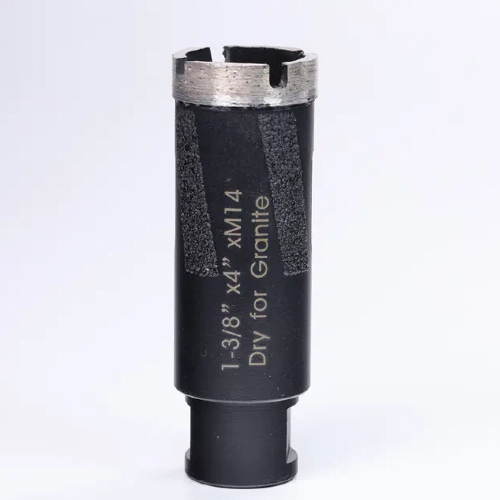
Hard Materials: Diamond drill bits are ideal for drilling through hard, abrasive materials like granite, marble, concrete, and tiles. They provide clean cuts without cracking or damaging the material, making them perfect for tough construction and renovation projects.
Brittle Materials: Diamond drill bits excel at drilling through brittle materials, such as tiles and glass, without causing chips or cracks.
Wood and Metal: Carbide bits are excellent for drilling through wood, metals (like aluminum and copper), and soft plastics. They are widely used in woodworking and metalworking industries.
Masonry: While carbide bits can be used for drilling through masonry, they are not as efficient as diamond drill bits for tougher materials like concrete or stone. For light masonry tasks, however, carbide bits work well.
When selecting between diamond drill bits and carbide bits, there are several factors you should consider:
Material Type: If you’re drilling through hard materials like concrete, granite, or marble, diamond drill bits are the best option. For softer materials like wood, metal, or soft masonry, carbide bits are suitable.
Precision vs. Speed: For tasks requiring high precision and clean cuts, diamond drill bits are superior. However, if speed is more important and the material is softer, carbide bits may be more efficient.
Budget: Diamond drill bits are more expensive, but they are worth the investment for tough, long-term drilling tasks. Carbide bits are more affordable and ideal for everyday drilling tasks on softer materials.
Diamond drill bits should be kept clean and regularly lubricated during use to avoid overheating. Always use water for wet drilling to maintain the temperature and prolong the lifespan of the bit.
Regular inspection and proper storage can help ensure that your diamond drill bits remain sharp and ready for use.
Carbide bits are easier to maintain but should still be kept clean after each use. They should be inspected for wear and tear, as carbide bits may lose their edge quicker when used on harder materials.
Proper storage is important to prevent corrosion and damage to the carbide bit.
Diamond drill bits are typically more expensive due to the high cost of diamonds and the complex manufacturing process. However, they offer long-term value due to their durability and precision in hard material drilling.
Carbide bits are generally more affordable and are a cost-effective solution for less demanding tasks. They are the preferred choice for woodworking, metalworking, and lighter masonry applications.
Wear safety goggles and gloves to protect against flying debris.
Use water to keep the diamond drill bit cool, especially during wet drilling.
Use steady pressure and avoid excessive force to maintain control over the drill bit.
Ensure that you are using the correct speed setting on your drill to avoid damaging the carbide bit.
Wear proper safety gear, including goggles and gloves, to protect yourself from sharp edges and debris.
Diamond drill bits and carbide bits each serve critical roles in drilling applications. Diamond drill bits are ideal for hard, abrasive materials like concrete, granite, and tile, offering superior precision, durability, and clean cuts. In contrast, carbide bits perform best on softer materials such as wood, metal, and plastics, providing efficient and faster cutting capabilities.
At Quanzhou Zhuoshi Superhard Tool Co. Ltd., we specialize in providing high-performance diamond drill bits and carbide bits to meet the diverse needs of construction, renovation, and industrial projects. Whether you're tackling tough materials or working on lighter tasks, we offer the right tools to ensure precision and efficiency.
When selecting the right drill bit, it's important to consider the material you're working with, the level of precision needed, and your budget. Our team can guide you in choosing the best drill bit for your specific project. Reach out to us for expert advice, and let us help you enhance your drilling tasks with the highest-quality tools available.
Diamond drill bits are made with industrial diamonds and are ideal for tough, abrasive materials, offering long-lasting durability. Carbide bits, made from tungsten carbide, are suitable for softer materials and provide faster cutting speed but are less effective on harder materials.
While carbide bits can be used for concrete, they are not as effective as diamond drill bits, which are specifically designed for hard and abrasive materials like concrete.
Yes, diamond drill bits are typically more expensive due to the use of diamonds and their high-performance features. However, they are an investment for long-term, precision drilling tasks on tough materials.
Keep both diamond drill bits and carbide bits clean and properly lubricated. Use water for cooling during use to prevent overheating, and store them in a dry, safe place to prevent damage.
Diamond drill bits are better suited for tile drilling, providing clean, precise holes without cracking the tile. Carbide bits may not perform as well and could cause damage to delicate materials like ceramic tiles.
