
Views: 0 Author: Site Editor Publish Time: 2025-08-19 Origin: Site


Have you ever wondered how weather affects your tools? Seasonal conditions can significantly impact the performance of diamond blades. These essential tools are widely used in stone cutting and construction. Understanding their behavior in different seasons is crucial for maximizing their lifespan and effectiveness.
In this post, you'll learn about the effects of seasonal changes on diamond blades and how to choose the right one for your needs.
Diamond blades come in various types, each designed for specific tasks. Understanding these types can help you choose the right blade for your job.
● Hot Pressed Blades: These blades are made by fusing diamond segments to a metal core under high heat and pressure. This process creates a strong bond, making them ideal for heavy-duty applications.
● Cold Pressed Blades: These use a different method, where segments are attached without heat. They are typically less expensive and suitable for lighter tasks.
● High Frequency Silver Welding: This technique involves welding diamond segments to a core using silver solder. It provides good durability and is often used in professional-grade blades.
● Laser Welding: This method uses lasers to bond segments to the core. It results in a very strong connection and is ideal for high-performance applications.
The shape of the segments plays a crucial role in how a diamond blade performs:
● Turbo Rim: Designed for fast cutting and efficient dust removal. Ideal for hard materials.
● Continuous Rim: Provides a smooth finish, perfect for tiles and ceramics. It minimizes chipping and is great for precision work.
● Segmented: Best for cutting through tough materials quickly. The gaps in the segments allow for better heat dissipation.
Here's a quick comparison of segment shapes:
Segment Shape | Best For | Advantages |
Turbo Rim | Hard materials | Fast cutting, dust removal |
Continuous Rim | Tiles, ceramics | Smooth finishes, less chipping |
Segmented | Tough materials | Quick cuts, heat dissipation |
When selecting a diamond blade, quality matters. There are several grades available, each suited for different users and tasks.
● DIY Grade: These blades are designed for occasional use. They are affordable but may not last long under heavy use.
● Standard Grade: Suitable for regular tasks, offering a balance between cost and performance.
● Medium Grade: These blades are more durable and can handle tougher jobs. They are ideal for semi-professional use.
● Premium Grade: Designed for professionals. They offer the best performance and longevity, making them worth the investment.
The quality of the diamond blade can significantly impact its performance, especially as seasons change.
● DIY Blades: These may struggle in extreme conditions, leading to quicker wear.
● Premium Blades: They maintain performance even in harsh weather, providing consistent results.
Here's a simple comparison of how each grade performs:
Grade | Usage Type | Performance in Seasonal Conditions |
DIY | Occasional use | Limited durability |
Standard | Regular tasks | Moderate performance |
Medium | Semi-professional | Good durability |
Premium | Professional use | Excellent performance |
Choosing the right diamond blade based on type and quality can make a significant difference in your cutting projects. Understanding these factors will help you get the best results, no matter the season.
Winter brings unique challenges for diamond blades. Cold temperatures can affect performance in several ways.
● Blade Material and Bonding: Cold can make some blade materials more brittle. This increases the risk of cracking during use.
● Brittleness and Cracking: When temperatures drop, blades can lose flexibility. This brittleness can lead to breakage, especially under stress.
Cutting through frozen ground or ice is no easy task.
● Challenges: Frozen materials are tough to cut. The blade needs to withstand significant pressure.
● Recommended Blade Types: For winter use, consider using segmented blades. They offer better heat dissipation and durability.
As temperatures rise, moisture and humidity become key factors affecting diamond blades.
● Performance Effects: High humidity can impact cutting efficiency. It may lead to rust if blades aren't properly maintained.
● Importance of Maintenance: Regular maintenance is crucial. Keeping blades clean and dry extends their lifespan.
Spring often means working with freshly poured concrete or soft stones.
● Optimal Blade Choices: For these materials, use blades designed for soft cuts. U-shaped notches help eject dust efficiently.
● Benefits: These notches improve cutting speed and reduce wear on the blade.
Summer heat presents its own challenges for diamond blades.
● Risks of Overheating: Prolonged use in high temperatures can lead to overheating. This can damage the blade and affect performance.
● Ventilation Holes: Blades with ventilation holes allow for better airflow. This helps keep them cool during extended use.
Choosing the right bond matrix is essential for summer performance.
● Enhancing Cutting Speed: A suitable matrix can improve both cutting speed and longevity. It helps the blade handle heat better.
Dry summer conditions can create dust that affects cutting efficiency.
● Cutting Efficiency: Excessive dust can clog blades, reducing their effectiveness.
● Recommendations for Dust Management: Use water or dust suppression methods to keep the workspace clean and improve performance.
As summer transitions to autumn, temperature fluctuations can impact diamond blades.
● Performance Effects: Changing temperatures can affect the bonding of segments. It's important to monitor blade condition as seasons change.
● Best Practices: Transitioning between seasons requires adjustments. Regular checks can prevent issues down the line.
Autumn often means dealing with organic debris.
● Specialized Blades: For cutting through leaves and other organic material, specialized blades work best. They are designed to handle softer, fibrous materials.
● Considerations for Blade Selection: Choose blades that balance durability and cutting efficiency for organic tasks.
Understanding how seasonal conditions affect diamond blades can help you select the right tools for every job. Each season presents unique challenges, so being prepared is key.
Keeping your diamond blades in top condition is essential for optimal performance. Here are some general maintenance tips to follow.
● Clean After Use: Always clean your blades after each use. Remove any debris or dust to prevent buildup.
● Inspect for Damage: Regularly check for cracks or wear. Early detection can save you from costly replacements.
● Store in a Dry Place: Moisture can lead to rust. Store blades in a cool, dry environment.
● Use Blade Guards: Protect blades from physical damage by using guards or cases.
● Know Your Limits: Each diamond blade has a maximum RPM rating. Exceeding this can lead to dangerous situations or blade failure.
● Use Appropriate Equipment: Ensure your cutting equipment matches the blade's specifications for safe operation.
● Follow Manufacturer Guidelines: Always adhere to the manufacturer's recommendations for use and maintenance.
● Wear Protective Gear: Safety should be a priority. Use goggles, gloves, and ear protection when cutting.
Different seasons require specific adjustments to your maintenance routine. Here's how to adapt.
● Keep Blades Warm: Store blades indoors to avoid cold-induced brittleness.
● Inspect for Ice Buildup: Ensure there's no ice on the blade before use. Ice can affect cutting efficiency.
● Check for Rust: Moisture in the air can cause rust. Inspect blades regularly and clean them thoroughly.
● Adjust Cutting Techniques: Use slower speeds when cutting soft materials like freshly poured concrete to avoid chipping.
● Monitor for Overheating: High temperatures can cause blades to overheat. Use blades with ventilation holes to improve airflow.
● Dust Control: Implement dust management strategies. Water or dust suppressants can keep blades clean and efficient.
● Prepare for Temperature Changes: As temperatures fluctuate, check the blade's bonding. Adjust storage conditions accordingly.
● Organic Material Considerations: When cutting leaves or debris, use specialized blades designed for these materials.
Season | Maintenance Tip | Adjustments Needed |
Winter | Store indoors to prevent brittleness | Inspect for ice buildup |
Spring | Check for rust | Adjust speeds for soft cuts |
Summer | Monitor overheating | Implement dust control strategies |
Autumn | Prepare for temperature changes | Use specialized blades for debris |
By following these maintenance tips tailored for each season, you can enhance the performance and longevity of your diamond blades. Keeping them in prime condition ensures they're ready for any cutting task.
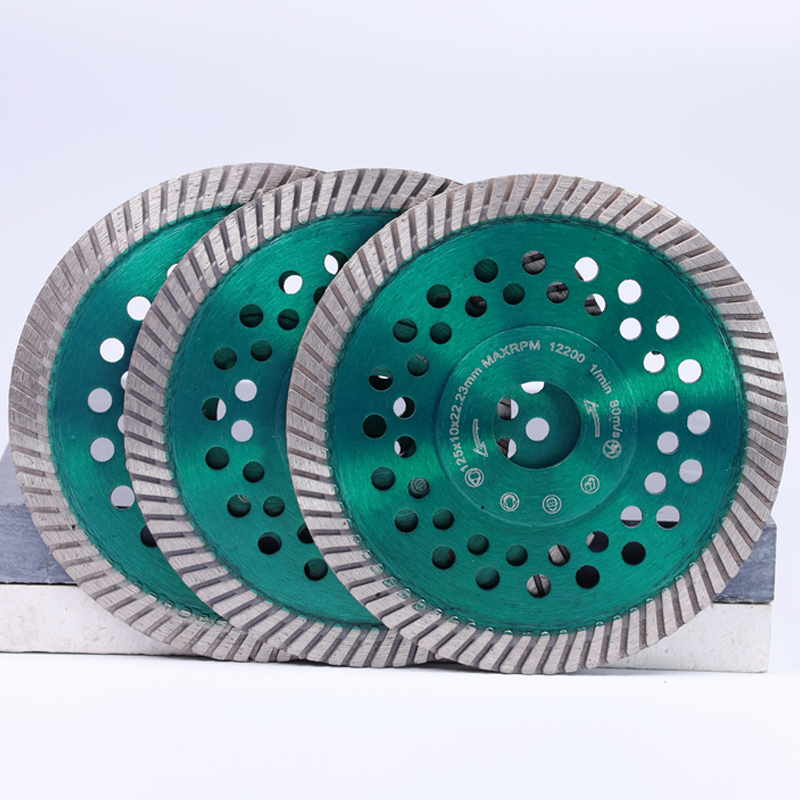
In the competitive world of diamond blades, various manufacturers are pushing the envelope. They focus on performance-oriented features and cutting application-specific designs. Let's dive into what sets these products apart.
When it comes to performance, some competitor products stand out due to their innovative designs.
● Laser-Welded Segmented Rims: Many brands now offer diamond blades that feature laser-welded segmented rims. This technology enhances durability and cutting efficiency.
● Cobalt Alloy-Steel Composite Cores: Another innovation is the use of cobalt alloy-steel composite cores. These cores provide superior strength and flexibility.
● Effective Heat Dissipation: Laser-welded rims allow for better heat dissipation during cutting. This helps prevent overheating, which can damage the blade.
● Longevity: The combination of high-quality materials and innovative design results in longer-lasting blades. Users can expect better performance over time.
Not all diamond blades are created equal. Many competitors focus on specific applications, making their products ideal for particular materials.
● Asphalt Cutting Blades: Some brands offer blades specifically designed for cutting asphalt. These blades often have unique features tailored to handle the challenges of asphalt.
● Comparison with Standard Diamond Blades: While standard diamond blades can cut various materials, specialized blades perform better in their intended applications.
● Enhanced Efficiency: Blades designed for specific materials often cut faster and cleaner. This efficiency can save time and reduce wear on the blade.
● Reduced Chipping and Cracking: Specialized designs minimize the risk of chipping or cracking during use, ensuring a smoother cutting experience.
Feature | Competitor Product Example | Benefits |
Laser-Welded Segmented Rims | Brand X Diamond Blade | Enhanced durability and cutting efficiency |
Cobalt Alloy-Steel Composite Core | Brand Y Diamond Blade | Improved strength and flexibility |
Asphalt Cutting Design | Brand Z Asphalt Blade | Faster cuts and reduced wear |
By exploring these innovations, users can find the right diamond blade for their specific needs. The advancements in design and technology continue to shape the market, offering more options than ever before.
Seasonal conditions significantly impact the performance and longevity of diamond blades.
Understanding how temperature and moisture affect cutting efficiency is crucial.
When choosing a blade, consider the specific season and material.
We encourage you to share your experiences and tips.
Explore more about diamond blades and their various applications to enhance your cutting projects.
