
Views: 0 Author: Site Editor Publish Time: 2026-02-03 Origin: Site


Diamond drill bits are essential tools for drilling through tough materials like stone, glass, ceramics, and concrete. Whether you're working on a home improvement project or a professional construction job, understanding how to use a diamond drill bit safely with a power drill can make all the difference in achieving clean, precise holes. This article will guide you through the steps of using a diamond drill bit with a power drill, ensuring safety and efficiency at every stage.
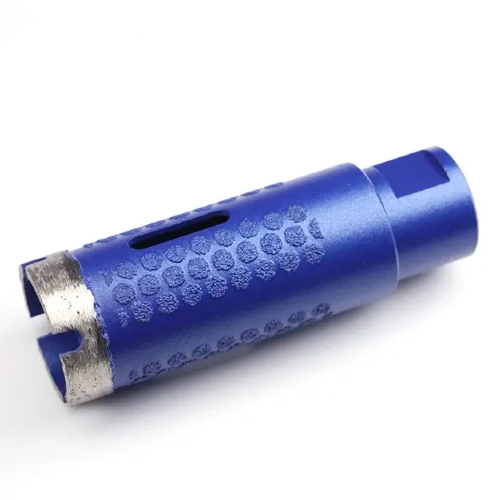
A diamond drill bit is a high-performance tool designed to cut through extremely hard materials. It is distinguished by its use of diamond particles, the hardest known material, embedded in the surface of the bit. These diamond-coated bits are ideal for drilling through materials like granite, marble, concrete, glass, and ceramics. Their cutting surface allows for smoother drilling and better longevity when compared to traditional steel bits.
The typical structure of a diamond drill bit consists of:
Core: The central shaft, often made from high-strength steel.
Diamond Segment: A layer of industrial-grade diamond particles.
Attachment Type: This could vary (e.g., hexagonal, M14) depending on the application and the drill being used.
Different types of diamond drill bits are available for various materials and applications. Below are the most common ones:
Type of Diamond Drill Bit | Description | Best for |
Sintered Diamond Drill Bits | The diamond particles are fused to the surface through heat. | Harder materials like granite, concrete, and porcelain. |
Electroplated Diamond Drill Bits | Diamonds are electroplated onto the surface. | Softer materials like ceramics and glass. |
Laser-Welded Diamond Drill Bits | Diamonds are welded to the surface using a laser process. | High-precision drilling for tough materials. |
Choosing the correct diamond drill bit is essential for safe and effective drilling. When selecting a diamond drill bit, consider the following factors:
Material Type: Different materials require specific drill bits. For example, use a sintered bit for harder stone and concrete, while an electroplated bit is best for softer materials like glass.
Size and Depth of Hole: Ensure the bit size matches the hole size you intend to drill. Larger bits may require more power and different drilling techniques.
Power Drill Compatibility: Verify that the drill bit’s attachment type (e.g., M14, hexagonal) is compatible with your power drill.
Safety should always be the top priority. Before drilling, gather the necessary safety gear to protect yourself from debris, dust, and other potential hazards:
Safety Goggles: To protect your eyes from flying debris and dust.
Gloves: To prevent hand injuries and improve grip on the tool.
Dust Mask or Respirator: To avoid inhaling harmful dust, especially when drilling materials like concrete or stone.
Hearing Protection: Power drills can be loud, so ear protection is a good idea to prevent hearing damage.
To avoid accidents and ensure a smooth drilling process, make sure the power drill is properly set up before starting:
Attach the Drill Bit Securely: Make sure the diamond drill bit is tightly attached to the drill chuck to avoid wobbling or slipping during use.
Adjust Drill Speed: Set your drill speed according to the material you're drilling into. Generally, start at a lower speed for hard materials and gradually increase it if needed.
Drilling should be done in a stable environment to ensure accuracy. Here’s how to set up your workspace:
Use a Flat, Stable Surface: Set the material to be drilled on a flat, stable surface to prevent it from moving during the drilling process.
Secure the Material: Use clamps or a vice to hold the material firmly in place. This will help prevent slipping and keep the drill bit from going off-course.
Marking the drill point accurately ensures precise drilling. Use a pencil or a chalk marker to mark the exact spot where the hole will be drilled. For even greater precision, use a center punch to make a small indent in the material at the marked spot. This gives the drill bit a guide to start without slipping.
Once the drill is set up, it’s time to start drilling. To achieve the best results:
Start Slow: Begin drilling at a low speed to avoid damaging the material and the drill bit.
Use Steady Pressure: Apply consistent, moderate pressure. Don’t force the drill bit through the material; let the diamond-coated bit do the work.
Avoid Excessive Speed: High speeds can cause the drill bit to overheat or wear out prematurely. Maintain a steady but slow drilling speed for best results.
To prolong the life of your diamond drill bit and prevent it from overheating, cooling is essential:
Use Water: For materials like stone and concrete, water acts as a coolant to keep the drill bit at a safe temperature. You can use a spray bottle or a drip system to apply water directly to the drill area.
Check Temperature: Periodically touch the drill bit to ensure it isn’t getting too hot. If it is, pause and allow the bit to cool down.
Drilling through materials like granite or porcelain requires extra care. Here are some tips:
Reduce Speed: When drilling through extremely hard materials, reduce the drill speed to avoid damaging the bit.
Increase Drill Pressure Gradually: Start with light pressure and increase gradually as needed.
Use Consistent Water Flow: Keeping the bit cool is especially important when drilling through dense materials.
After you finish drilling, clean your diamond drill bit to ensure it remains in good working condition:
Remove Debris: Use a soft brush or cloth to remove any debris from the bit.
Wash with Water: Rinse the bit with clean water to remove any dust or material remnants.
Dry Thoroughly: Make sure the drill bit is dry before storing it to prevent rust.
After drilling, inspect the hole to make sure it’s clean and precise:
Clear the Hole of Debris: Use compressed air or a small brush to remove any debris from the hole.
Check for Clean Edges: Ensure the hole edges are smooth and clean without any cracks or chipping.
To ensure a safe drilling experience, follow these essential safety tips:
Stay Focused: Always maintain focus when using a power drill. Avoid distractions that can lead to mistakes or accidents.
Use Correct Posture: Maintain a stable stance with both hands on the drill to control the tool effectively.
Avoid Over-Pressurizing: Don’t force the drill bit through the material. Let the tool do the work for you.
Turn Off the Drill After Use: Always turn off the drill when adjusting the position or stopping work. Make sure to unplug the drill before changing bits.
Using a diamond drill bit with a power drill is an excellent method for drilling through tough materials, but achieving clean and precise holes requires proper setup, technique, and safety precautions. At Quanzhou Zhuoshi Superhard Tool Co. Ltd., we specialize in high-quality diamond drill bits designed for various hard materials like stone, glass, and ceramics. By choosing the right drill bit, ensuring proper cooling, and following our safety guidelines, you can complete your projects efficiently and safely.
We recommend selecting the appropriate diamond drill bit based on your specific needs and material type. Our products are engineered for durability, providing superior performance and long-lasting results. If you're looking for top-notch tools to enhance your drilling experience, we invite you to explore our extensive range of diamond drill bits. Our team is always ready to assist you in selecting the perfect solution for your next project.
For more information or to get in touch with us, don't hesitate to reach out. We're here to help you achieve the best results with our premium diamond tools.
Can I use a diamond drill bit on all materials?
Diamond drill bits are designed for hard materials, such as stone, glass, ceramics, and concrete. They are not suitable for softer materials like wood or plastic.
Do I need special equipment to use a diamond drill bit?
Yes, a power drill with variable speed settings is ideal for drilling with a diamond drill bit. You will also need protective gear, such as safety goggles, gloves, and a dust mask.
How do I prevent my diamond drill bit from overheating?
Use water or a coolant to keep the drill bit cool while drilling. This will prevent the diamond bit from overheating and ensure better performance.
Can I use a diamond drill bit without a pilot hole?
It’s best to create a small pilot hole for better control when using a diamond drill bit, especially on hard materials.
How long do diamond drill bits last?
Diamond drill bits are durable but can wear out depending on usage. Proper cooling and cleaning after each use will help prolong their lifespan.
